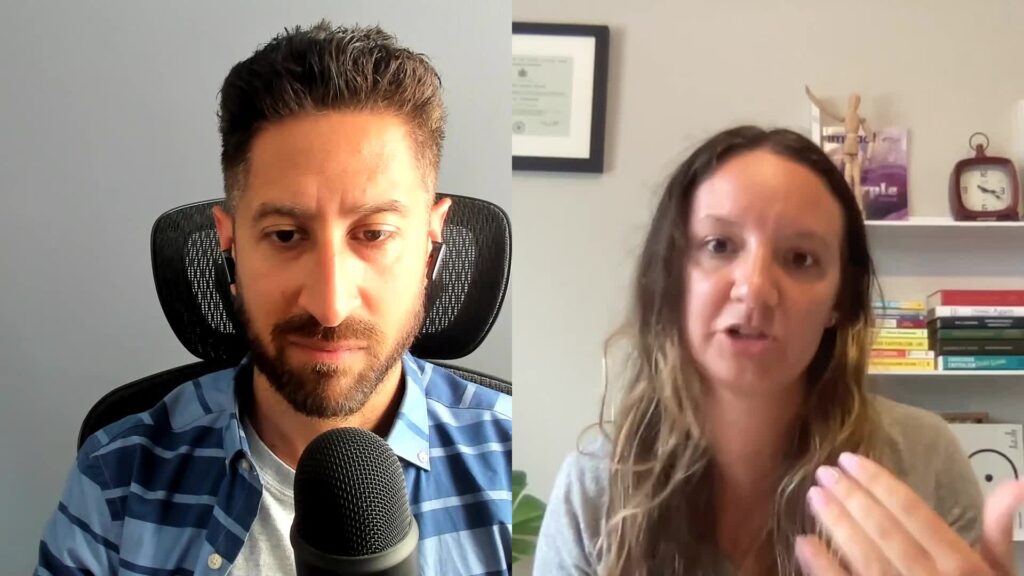
How much should your first small business website cost? In 2017, Stephanie Telibasa got a quote of $10,000 to build one for her new practice in New York City. Her reaction, as she told Daniel Hill on the Unscripted Small Business Podcast: “that is more than the electrician who’s putting the chandeliers in the office.”
So she built it herself. Stephanie owns House of Physical Therapy and now coaches other physical therapists on opening their own practices through The Planning PT. The way she approached that first website is a lesson for any owner staring at a big quote, or putting off launching because the site isn’t perfect yet.
Decide the one job your website has to do
Stephanie is clear that she is “not a tech person.” She watched YouTube tutorials, hit pause, made the move, and kept going. What got her through wasn’t technical skill. It was knowing exactly what the site needed to do:
“All I needed out of the website was a place for people to send their contact information.”
That’s a minimum viable product. People found her on Google, landed on the site, filled out an inquiry form, and she called them to get what she needed to book the appointment. Everything else could wait.
You can run the same test on your own site before you spend a dollar. What’s the one action a new customer needs to take? For most local service businesses it’s a call, a form or a booking. If the site makes that action easy, it’s doing its job.
Be a little embarrassed by version one
Daniel’s response is the part worth taping to your monitor. Version one doesn’t have to be the fanciest, and “you should be borderline embarrassed to release whatever that version one is.” He called out analysis paralysis by name, and admitted he needs to work on it himself.
The truth is that a site that’s live and findable beats a perfect site that’s still in a Figma file. You’ll improve it later, and you’ll make better decisions once real people are using it.
Customers pay for your skills
Stephanie’s underlying point goes past websites:
“It didn’t matter that I didn’t have the most professional website. It mattered that people could find me.”
Clients come to you “for your service, for your skills,” she said, “and all of the fancy bells and whistles are not what they’re paying for.” She applied the same lesson to her coaching offer. Her first version was a $42 ebook that sold one copy, and the buyer’s questions showed her that people wanted custom guidance, not a PDF.
When DIY stops making sense
None of this means you should build everything yourself forever. Stephanie’s DIY site got her open. As House of PT grew, she hired, built a team and wrote down her systems so the business didn’t depend on her doing everything.
Your website can follow the same path. Start with the version that collects the lead. Once it’s bringing in business, invest in the parts that actually move the needle: being found for the right searches, a clear page for each service, and reviews. If you want to handle the first round yourself, start with the DIY SEO basics for small businesses.
So what’s the one job your website has to do this month, and is anything on it getting in the way?
This is a conversation about running a small business. Nothing in it is medical advice. Recorded June 2025.
Listen to the full episode on Castos or read the full recap on Unscripted Small Business.